
The Fortune Beneath Your Feet: The “Ordinary” Rocks That Are Secretly Gemstones
We tend to think of gemstones as rare treasures found only in deep African mines or exotic tropical riverbeds. Because of this, we ignore the “dirty” rocks in our creek beds, the “cloudy” pebbles in our landscaping, or the “heavy” stones in our garden soil. But nature doesn’t only hide its wealthü in vaults. Many people spend their lives walking over raw, unpolished fortunes simply because they don’t know what an low grade gemstone looks like in the wild.
Common Stones with Uncommon Price Tags
The hidden fortune beneath your feet isn’t just a myth; in many parts of Nigeria such as Ekiti and Taraba, we often walk past “ordinary-looking stones” without realizing they could be Watermelon Tourmalines or Royal Blue Sapphires worth between ₦500,000 and ₦15,000,000 simply because we do not know their value.
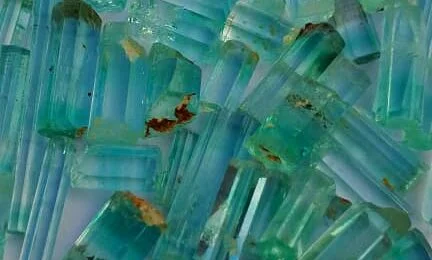
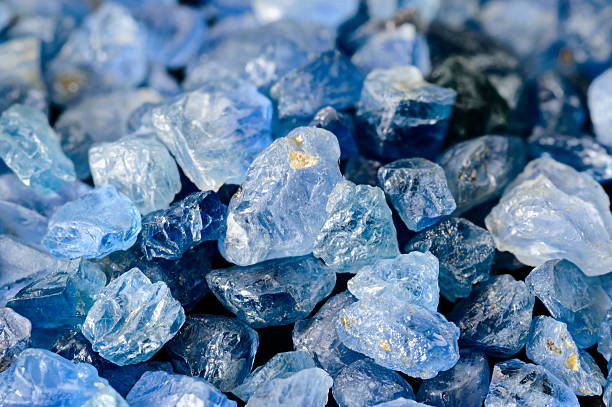
In the riverbeds of the Jos Plateau or the fields of Oyo and Nasarawa, you might encounter what looks like “cloudy blue pebbles” or “green bottle glass.” To the untrained eye, these are just colorful stones, but to a lapidary, they could be Raw Sapphires or Tourmalines. A raw, unheated Nigerian sapphire of decent size and clarity can command prices ranging from ₦200,000 to over ₦1,200,000 per carat on the international market. Even the “glassy” green stones you might find could be Peridot or Tsavorite garnet, which hold immense value once faceted.
Even stones that seem purely decorative, like the “banded rocks” often used in driveways or landscaping, can hold a secret. Varieties like Agate or Jasper feature intricate internal patterns that make them highly sought after by local artisans and international collectors. A particularly beautiful, large banded specimen can fetch anywhere from ₦15,000 to ₦150,000 or more, depending on the rarity of its “eye” or “tube” patterns.
Why We Walk Past Them
The reason so many people in Nigeria miss out on life-changing wealth is due to a lack of knowledge about the true value of minerals. Many valuable stones are hidden beneath ordinary appearances, and without the proper understanding, people fail to recognize their worth. Over time, stones develop what geologists call a “weathering rind,” a layer of oxidation and crust that masks their vibrant colors, turning a bright Garnet or deep green Emerald into something that looks like an ordinary piece of coal or a simple garden pebble. Without the expertise to identify the gem beneath the surface, people unknowingly overlook fortunes simply because the stones don’t look like polished gems seen in jewelry advertisements.
Beyond the crust, there is the science of light. Many stones found in our local terrains, such as Tourmaline or certain types of Feldspar, exhibit what experts call “labradorescence.” To a passerby, these are just “boring” gray or brown rocks. However, these stones interact with light in a unique way; they hold a hidden, metallic glow that only reveals itself at a specific angle or when the stone is wet. This highlights the knowledge gap about local minerals—many valuable stones go unrecognized because people lack awareness of their unique properties.
The hidden tragedy of Nigeria’s mineral wealth is that life-changing fortunes are often sold for the price of common sand simply because the finder lacked the “eye” to see them. In the gemstone trade, knowledge is the only real currency; without it, you are at the mercy of middlemen who can spot a high-value Paraiba Tourmaline while you see only a “nice bluish green stone.” Having professional gemological training turns you from a casual observer into a market player, allowing you to accurately value a find and protect yourself from losing millions of Naira to synthetic fakes or undervalued deals.
To bridge this gap, the Gemological Institute of Nigeria offers a specialized Gemstone Identification Course designed to transform your curiosity into professional expertise. We teach you to look beyond the “ordinary-looking stones” and equip you with the skills to use technical tools to identify a stone’s true nature, ensuring you can distinguish between common quartz and an investment-grade Sapphire or Aquamarine. Don’t overlook your fortune enroll today to master the science of identification and start recognizing the landscape of Nigeria as the multi-billion Naira opportunity it truly is.
Leave a Reply