
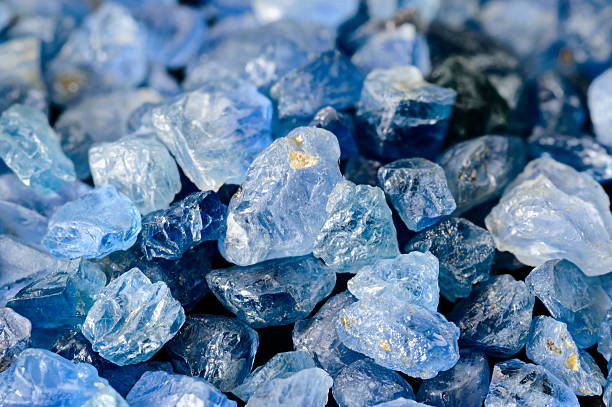
Nigeria’s Exploding Gemstone Market: The Untapped ₦50 Billion opportunity
In recent years, Nigeria has rapidly emerged as a significant and influential player in the global gemstone market, unveiling a highly lucrative opportunity that is currently estimated to be worth well over ₦50 billion. This rapidly growing and expanding sector holds immense promise for substantial economic growth, widespread job creation, and increased foreign investment opportunities. Despite its tremendous potential, the gemstone industry in Nigeria remains largely underexplored, underdeveloped, and significantly underutilized, presenting a vast untapped resource for the country’s economic future.
Adding Value to Gemstones is absolutely crucial for maximizing the economic benefits derived from the gemstone industry. The process of adding value goes beyond simply mining and selling raw stones; it involves enhancing the overall quality, appearance, and market readiness of the gemstones to ensure they command significantly higher prices. The Gemological Institute of Nigeria (GIN) plays an essential and multifaceted role in this value addition process by offering an important service of Gemstone Identification and issuing of Gemstones Laboratory report. These specialized service not only improve the intrinsic quality and authenticity of Nigerian gemstones but also greatly increase their credibility in the highly competitive international marketplace. As a result, Nigerian gemstones are able to attract premium prices, gain wider recognition, and establish a strong reputation among global buyers and collectors.
The Richness of Nigeria’s Gemstone Deposits
Nigeria is richly endowed with a diverse range of precious gemstones, including sapphire, tourmaline, garnet, aquamarine, and topaze, among other valuable stones. These beautiful gems are found across many states, notably Kaduna, Nasarawa, Oyo, Plateau, and Cross River. Despite this wealth, Nigeria’s gemstone industry remains underdeveloped and largely untapped. This is mainly due to ongoing challenges such as outdated mining infrastructure, lack of modern technology, and insufficient support, strategic planning, and investment from the government and stakeholders.
Market Dynamics and Global Demand
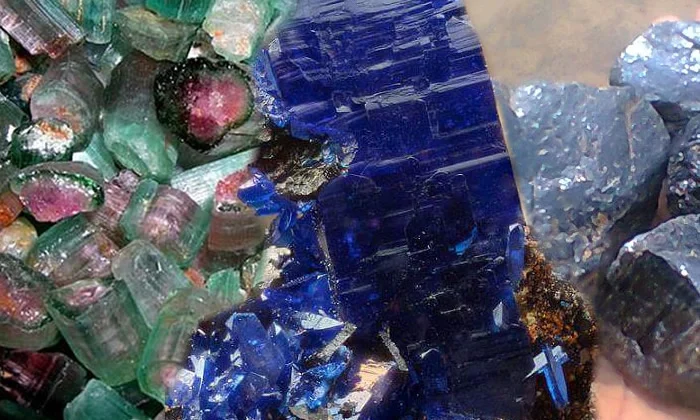
Worldwide, demand for colored gemstones is steadily rising, driven by changing fashion trends, creative jewelry designers, and passionate collectors from various countries. Nigeria’s gemstones, known for their vibrant colors and high quality, are gaining international recognition and acclaim. With its strategic location and improved export infrastructure, Nigeria is poised to become a key player in the competitive global gemstone market.
Challenges Facing the Industry
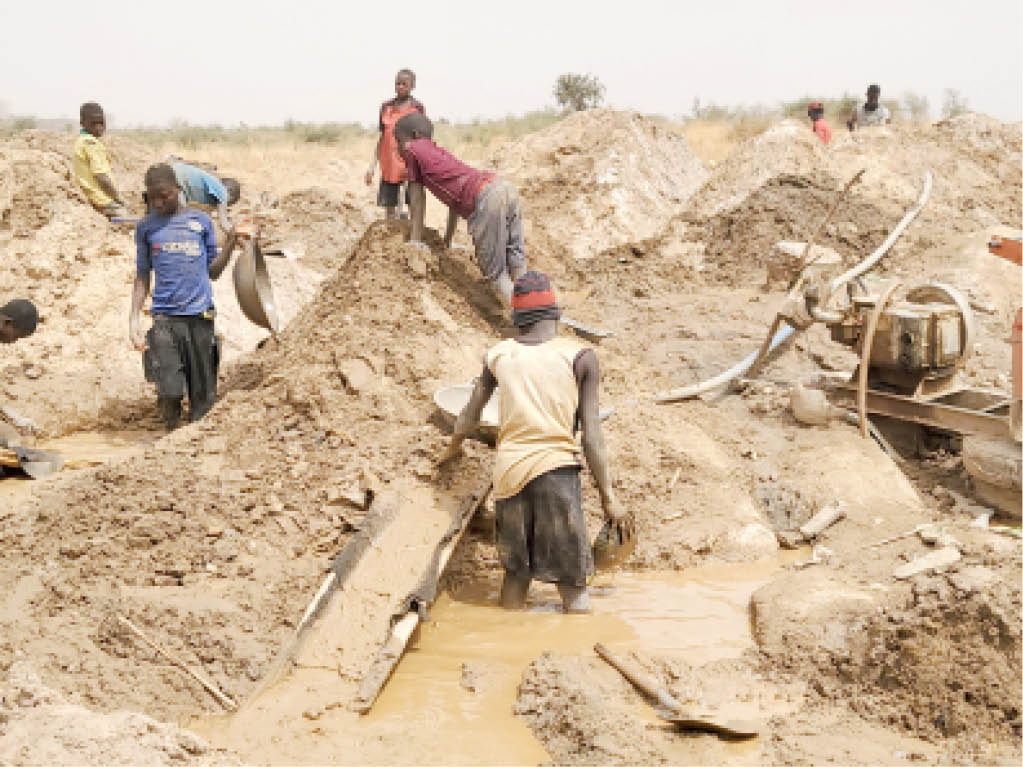
Several obstacles hinder the growth of Nigeria’s gemstone market. These include:
- Technical Inefficiency and Sub-Optimal Extraction: The prevailing reliance on rudimentary, artisanal mining techniques continues to compromise the integrity of the mineral yield. Without modern geophysical mapping and mechanized extraction, high-value crystals particularly fragile specimen like Emerald frequently suffer from percussive fracturing during recovery. This lack of precision technology results in a significant “yield-to-waste” ratio, where potentially investment-grade gemstones are downgraded to industrial-grade shards before they even reach the surface.
- Capital Asymmetry and Liquidity Constraints: The gemstone sector remains largely excluded from mainstream Tier-1 banking credit due to the “high-risk” classification of artisanal mining. Small and medium-scale miners (SSMs) operate in a liquidity vacuum, often forced into predatory pre-financing arrangements with informal off-takers. To bridge this ₦50 billion gap, there is an urgent need for specialized Solid Mineral Intervention Funds and insurance products that can de-risk the exploration phase for indigenous operators.
- Lack of Added Value: Nigerian gemstones face significant challenges stemming from the lack of added value in the industry. These problems include:
- Economic Loss: Raw gemstones are often exported without processing, leading to lost opportunities for higher income and local job creation.
- Limited Market Reach: Without value addition such as Faceting and Jewelry manufaturing, Nigerian gemstones struggle to compete in international markets.
- Underdeveloped Industry: The absence of local processing facilities and expertise hampers industry growth and innovation.
- Environmental and Social Impact: Lack of value addition promotes unregulated mining practices that can cause environmental degradation and poor working conditions.
Addressing these issues by promoting value addition can enhance the gemstone sector’s contribution to Nigeria’s economy and improve the livelihoods of those involved in the industry.
Unlocking the ₦50 Billion Opportunity
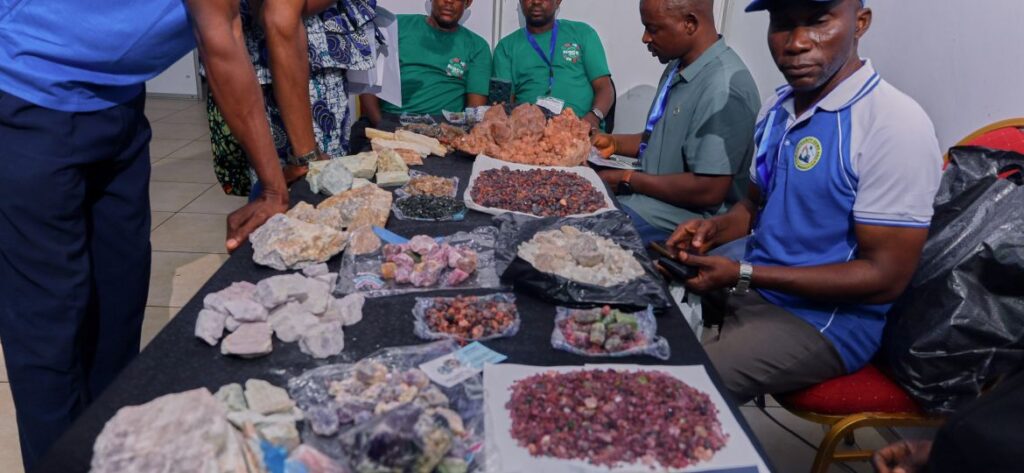
To tap into this vast potential, concerted efforts must be made:
1. Technological Modernization and Capacity Building
Transitioning from artisanal methods to precision mining is crucial for preserving Nigerian gems’ geological integrity. Investment should focus on geophysical exploration tools and mechanized equipment to reduce stone damage. At the same time, vocational training in mining engineering and geological mapping is vital to provide the local workforce with necessary technical skills for efficient operations.
2. Domestic Beneficiation and Mid-Stream Infrastructure
The establishment of Regional Gemstone Centers dedicated to cutting&polishing and jewelry manufacturing is essential. Shifting the “value-added” processes from overseas to local hubs could enable Nigeria to retain up to 800% more value per carat. These centers should be equipped with state-of-the-art faceting and Jewelry manufacturing technology and staffed by certified gemologists, Faceters, Jewellers and Appraisals to guarantee that “Made in Nigeria” gemstones meet the rigorous standards of USA, UK, Antwerp, Hong Kong etc.
3. Regulatory Rigor and ESG Compliance
Strengthening oversight by the Mining Cadastre Office and Mines Inspectorate is key to reducing revenue loss. Besides enforcement, policies should encourage legal trade with easier export permits and tax breaks for compliant miners. Adopting Sustainable Mining Practices like land reclamation and fair labor will help brand Nigerian gemstones as premium, “conflict-free” assets in the global ESG-focused market.
4. Synergistic Public-Private Partnerships (PPP)
The infrastructure deficit specifically regarding mine-site accessibility and stable power for processing cannot be solved by the public sector alone. PPP models should be leveraged to develop Mining Industrial Parks and dedicated transport logistics. These partnerships can also facilitate the creation of specialized “Mineral Banks” to provide the patient capital and equipment-leasing options that small-scale miners currently lack.
Conclusion
Nigeria’s gemstone market is poised for rapid growth, offering a huge untapped opportunity worth billions of Naira. By overcoming current challenges and leveraging its rich mineral resources, Nigeria can turn this sector into a key part of the economy. This shift would create sustainable jobs for thousands and boost Nigeria’s global gemstone industry standing. The time to act is now, as unlocking this potential promises lasting economic and social gains.
Nigeria’s Booming Gemstone Market: Unlocking a ₦50 Billion Untapped Opportunity
Leave a Reply